
Moving out of the family home is a big step for anyone. It can feel exciting, unfamiliar and, at times, a little overwhelming. When a person is moving into SIL for the first time, those feelings are often shared by their family too.
There may be questions about daily routines, housemates, support workers, safety and how much independence the person will have. While every move looks different, understanding the process can make the transition feel much more manageable.
Before the move: Getting the right supports in place
Supported Independent Living, or SIL, is designed to support people with disability live as independently as possible while receiving assistance with everyday tasks. Before moving day, the participant, their family, support coordinator and SIL provider will usually spend time discussing the person’s needs, goals and preferences. This may include:
- The level and type of daily support required
- Personal care, medication and health needs
- Preferred routines, meals and activities
- Communication requirements
- Behaviour support strategies
- Interests, cultural needs and personal goals
- Compatibility with potential housemates
This planning stage is an important part of transitioning to supported independent living. It gives everyone the chance to ask questions, raise concerns and build a clear picture of what good support should look like. Where possible, participants may also visit the home, meet housemates and get to know members of the support team before they move in.
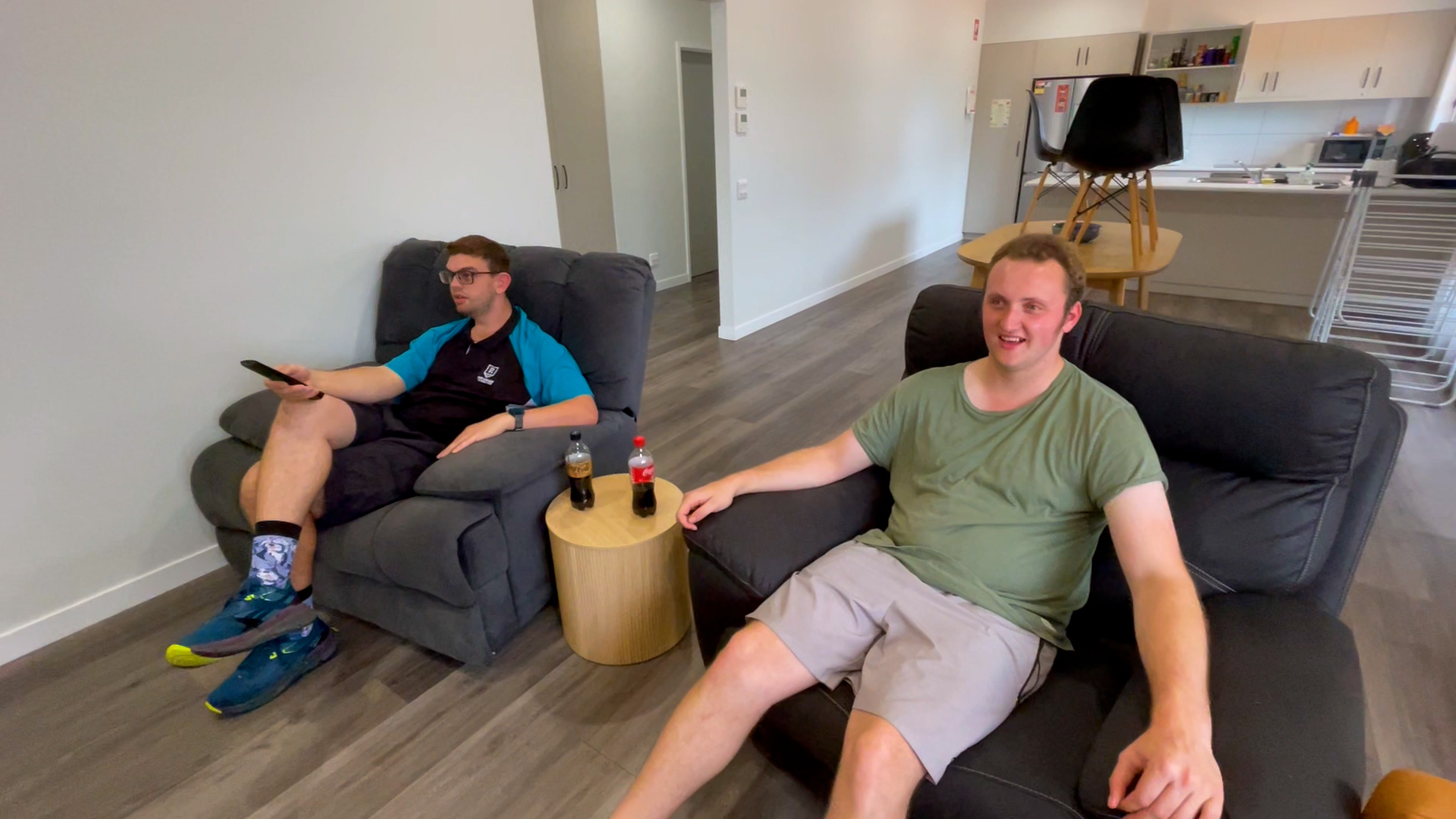
Moving day doesn’t have to happen all at once
For some people, a gradual transition works best (this might involve visiting the house for meals, spending an afternoon there or staying overnight before making the full move). Others may prefer to settle in more quickly. There’s no single “right” way to approach a first time SIL move; the pace should reflect the participant’s comfort, communication style and individual circumstances.
Bringing familiar belongings can help a new house feel more like home. Favourite bedding, photographs, artwork, music, books or treasured items can create a sense of comfort and continuity. It’s also worth remembering that moving day is just the beginning. Feeling settled often takes time.
What everyday life in SIL may look like
Life in SIL isn’t about following one rigid household schedule. Support should be built around the participant’s needs, choices and goals. Depending on the person’s plan, support workers may assist with:
- Preparing meals and grocery shopping
- Personal care and household tasks
- Taking medication safely
- Attending appointments
- Budgeting and managing everyday expenses
- Travelling in the community
- Building cooking, cleaning or laundry skills
- Taking part in social, recreational or employment activities
Participants should still have a say in how they spend their time. They might choose what to eat, how to decorate their room, when to relax and which activities they’d like to pursue. A good SIL move in guide should cover the practical details, but it should also leave room for the person’s life to grow and change.
Adjusting to housemates and new routines
Sharing a home can take some getting used to. Participants may need time to understand household routines, shared spaces and the preferences of their housemates. Small disagreements can happen in any home. Clear communication and thoughtful support can help housemates navigate issues respectfully and find arrangements that work for everyone.
Support workers also need time to get to know the participant properly — how they communicate, what makes them feel comfortable, when they want assistance and when they’d prefer space. These relationships are built through consistency, trust and listening.

What families can expect
Families often experience mixed emotions during the transition. Pride and excitement can sit alongside worry, particularly when they’ve provided hands-on care for many years. A helpful family guide to SIL should encourage families to stay involved in ways that respect the participant’s independence. This may include regular phone calls, visits, shared outings or participating in planning meetings.
Open communication with the provider is also important. Families should know who to contact, how updates will be shared and what happens if a concern arises. Over time, many families begin to see their loved one develop new skills, build confidence and create routines of their own.
Finding the right SIL provider
The right provider should take the time to understand the participant as a person, not simply a list of support needs. They should communicate clearly, involve the participant in decisions and respond when circumstances change.
At Orana, we support people with disability across metropolitan and regional South Australia. Our approach to SIL is thoughtful, practical and centred on each person’s goals. From the early planning stages through to settling into a new home, our team works alongside participants, families and their broader support networks to make the transition as comfortable as possible.
Moving into SIL is a significant change, but it can also open the door to greater independence, connection and choice… with the right support there every step of the way.