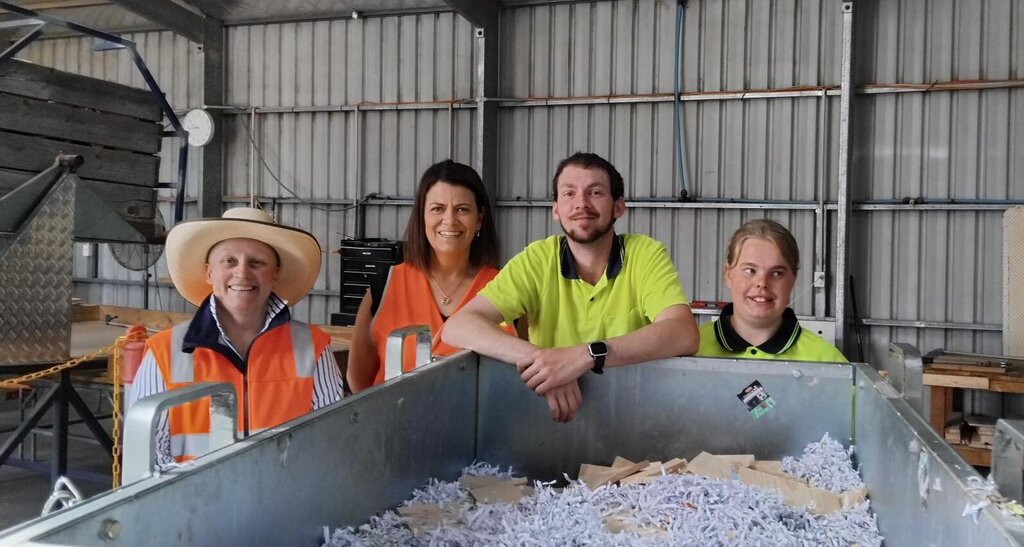
Finishing school is a big moment… it can bring excitement, uncertainty and plenty of questions about what comes next. For young adults with disability, the move from school into employment may not follow a neat or predictable path. Some people know exactly what kind of work they’d like to try. Others need time to explore their interests, build confidence and get used to the routines and expectations of a workplace. That’s where supported employment can make a meaningful difference.
What is supported employment?
Supported employment gives people with disability the opportunity to take part in real, purposeful work while receiving assistance that reflects their individual needs. This support might include learning new tasks, improving communication, becoming more independent at work or building confidence in a team environment. It can also help young people understand workplace routines, including arriving on time, following instructions, working safely and asking for help when they need it.
Rather than expecting someone to be “job ready” from day one, supported employment for young adults recognises that work skills are developed through experience. Progress happens over time, with the right encouragement and opportunities to practise.
Building on what was learned at school
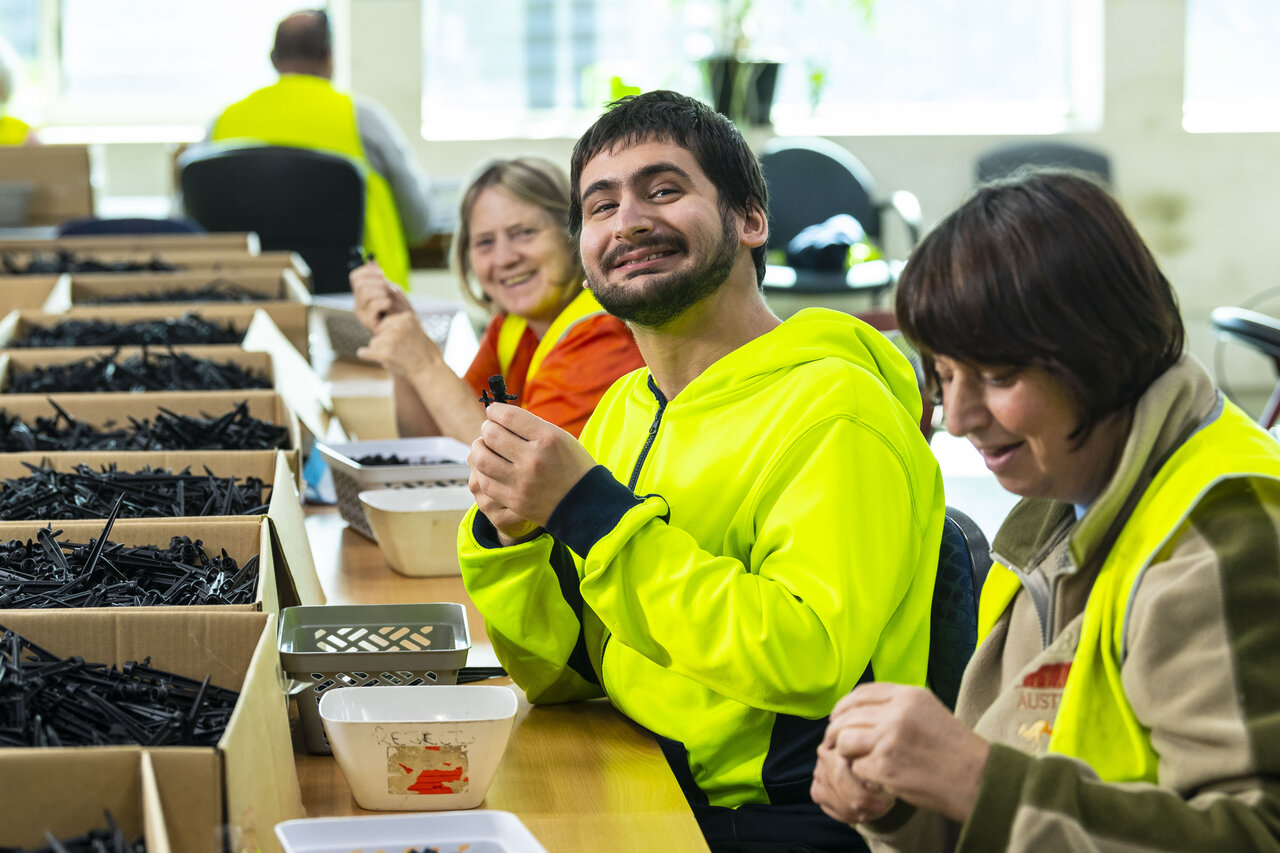
School provides an important foundation, but the workplace brings a different set of experiences. A young person may have taken part in work experience, vocational learning or a student pathways program during their final years at school. These programs can introduce different industries and help students discover the kinds of tasks and environments they enjoy.
After school, those early experiences can be built on through regular employment. Young adults can continue developing practical abilities while also learning broader skills that are useful in work and everyday life. These might include:
- Working alongside different people
- Communicating with supervisors and colleagues
- Following a schedule
- Staying focused on a task
- Responding to feedback
- Solving everyday problems
- Taking responsibility for equipment and workspaces.
Good school leaver employment supports don’t simply place someone into a role and hope for the best. They take the time to understand the person, including their strengths, support needs, interests and goals.
Confidence grows through doing
Starting work can feel daunting for anyone. New faces, unfamiliar tasks and different expectations can take time to get used to. A supportive workplace gives young people space to learn without feeling rushed. Tasks can be introduced at a manageable pace, instructions can be explained clearly and assistance can change as the person becomes more confident.
Over time, a young adult who once needed regular guidance may begin completing tasks more independently, taking initiative or helping others. These moments matter. They show the person what they’re capable of and create a stronger sense of belonging. Employment support for young people with disability can also strengthen skills beyond the workplace. Earning an income, travelling to work, managing a routine and making decisions can all support greater independence.
Finding the right pathway
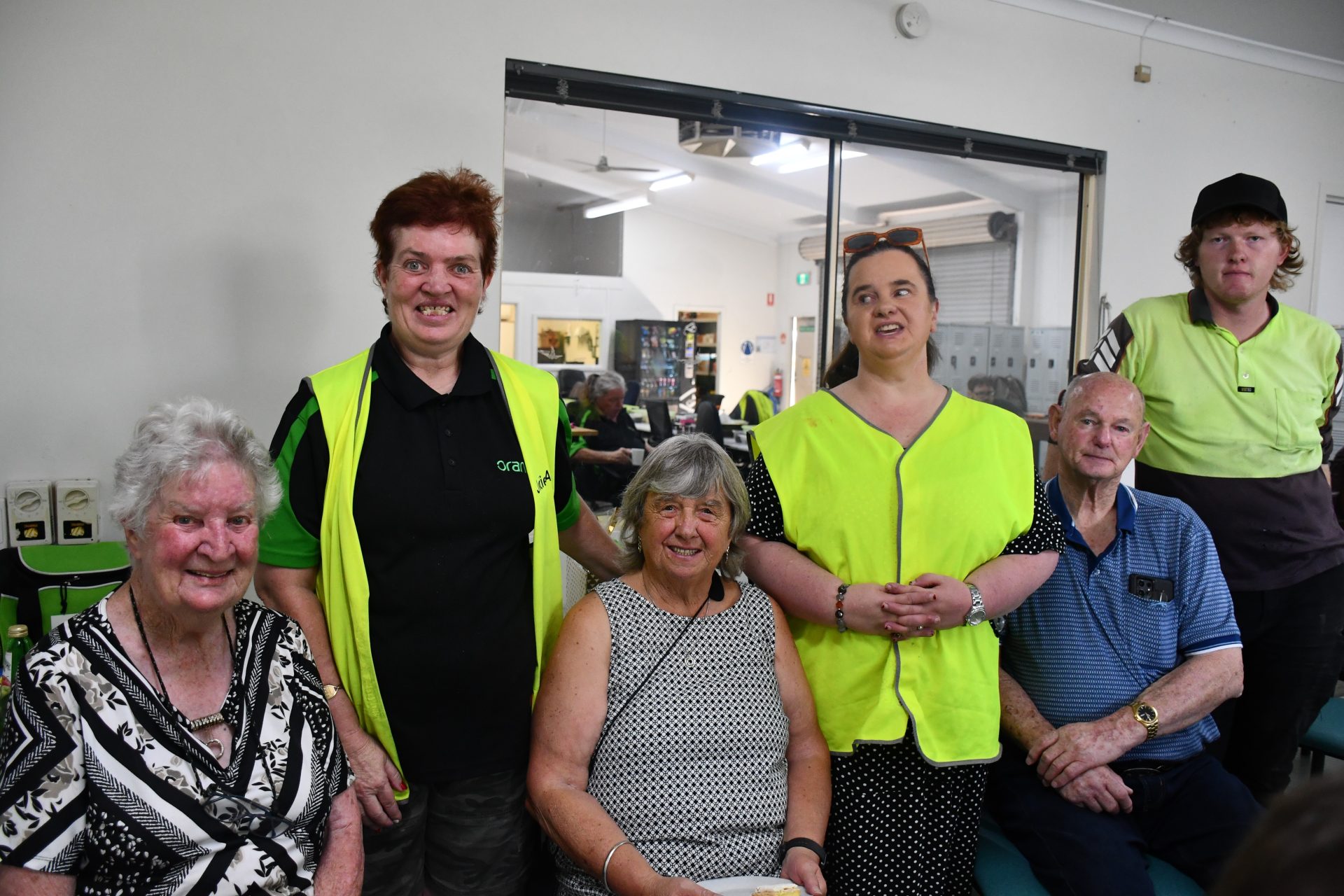
There’s no single route from school to employment. Disability employment pathways should reflect the individual, not force everyone towards the same outcome. For one person, the immediate goal might be getting comfortable in a workplace. For another, it could be learning a particular task, increasing their hours or working towards a different role in the future.
Families can help by keeping conversations open and focusing on what the young person enjoys and wants to achieve. It’s also worth asking potential providers how they match people with work, teach new skills, measure progress and respond when someone’s goals change. The right environment should feel safe and encouraging, but it should also provide genuine opportunities to grow.
Taking the next step with Orana
At Orana, we understand that leaving school is the beginning of a new chapter, not the end of learning. Our supported employment services help people build practical skills, confidence and workplace experience in an environment where their contribution is valued. Support is shaped around the individual, with a focus on meaningful participation, personal development and greater independence.
Because work is only one part of life, Orana also offers a broader range of disability services across South Australia. This means support can evolve alongside each person’s goals, whether they’re developing employment skills, strengthening daily living abilities or becoming more connected with their community. With the right opportunity and dependable support, young adults can take their next steps after school with a clearer sense of purpose… and the confidence to keep moving forward.