Transitioning to Independent Living – Practical Steps & NDIS Supports to Help You Get There
There is no single moment when independent living suddenly “clicks” into place. More often, it happens step by step. A new routine starts to feel familiar. Confidence grows in the kitchen. Catching public transport becomes less daunting. Managing appointments gets easier.
For a lot of people, transitioning to independent living isn’t about doing everything alone. It’s about having the right support around you while building the skills, confidence and freedom to live life your way. Orana’s approach to Supported Independent Living (SIL) centres on personalised support, daily living assistance, skill building and community connection, with support tailored to each person’s goals and NDIS plan.
For participants and families, the move can bring a mix of excitement and nerves. That’s completely normal. Whether you’re just starting to think about your options or actively moving into supported independent living, it helps to know what the process can look like, what supports may be available through the NDIS, and what daily life is like in SIL when the right fit is found. Orana’s SIL services include support with personal care, household tasks, meal preparation and community engagement in shared or individual homes, depending on need.
Start with the life you want to build
Before talking about funding, vacancies or support rosters, it helps to focus on something more important: the kind of life you want to live.
Independent living looks different for everyone. For one person, it might mean learning to cook dinner a few nights a week and having more say over their daily routine. For someone else, it could mean living with housemates, getting ready for work with support each morning, and feeling more connected to the community. For another, it may be about having a quieter home environment with support available when needed.
That’s why a strong transition usually begins with goals. What do you want more of in your life? More privacy? More confidence? More social connection? More responsibility? More independence with everyday tasks? These questions help shape the kind of support that will actually suit you, rather than pushing you into a model that doesn’t.
Understand what Supported Independent Living is
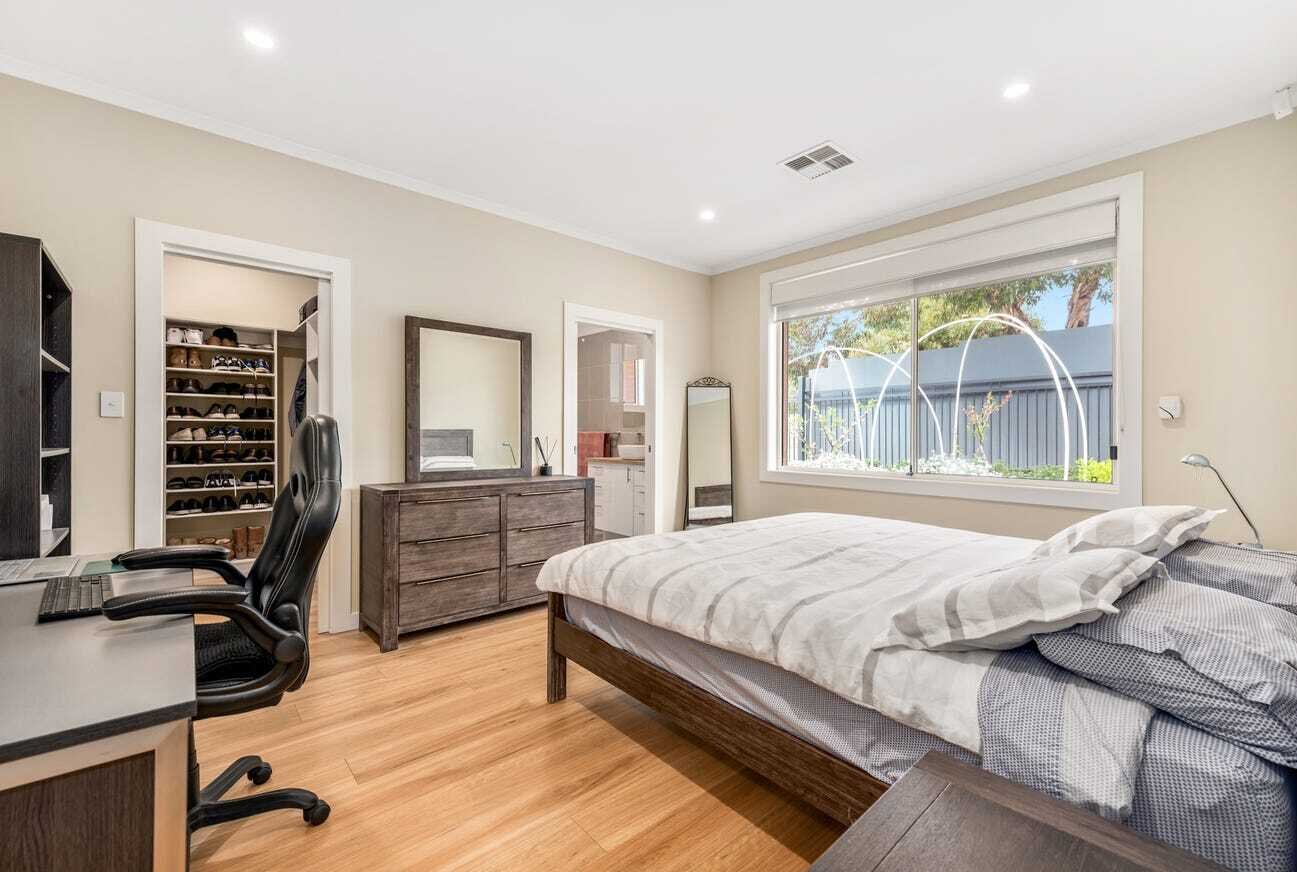
Supported Independent Living, or SIL, is an NDIS support designed for people with disability who need help with daily tasks while living in their own home or a shared home. SIL funding is generally for the support you receive, not the bricks and mortar itself. It can include assistance with things like showering and dressing, cooking, cleaning, medication management, building daily living skills and taking part in the community.
That distinction matters. When people ask what to expect in supported independent living, the answer is usually not just about the house. It is about the day-to-day supports that make the home work for you.
In a good SIL environment, support should not feel like people constantly taking over. It should feel thoughtful, respectful and tailored to your pace. The aim is to support independence, not replace it.
Build skills before the move
One of the most practical things you can do when transitioning to independent living is start building everyday skills before the move happens.
That doesn’t mean you need to have everything mastered in advance. It simply means giving yourself time to practise the tasks that will become part of daily life. That might include preparing simple meals, doing laundry, keeping your room or living space tidy, using a calendar, following a morning routine, shopping with a list, catching transport, or getting comfortable with taking part in household responsibilities.
The reason this matters is simple: confidence often grows through repetition. The more familiar daily tasks become, the less overwhelming the transition tends to feel. Some people work on these skills gradually with family, support workers or providers before moving. Others continue building them once they are in their new home. Both approaches are valid.
Expect a settling-in period
One of the biggest misconceptions about moving into supported independent living is that everything should feel natural straight away.
In reality, even a positive move can take time. New people, new routines, a different environment and a different level of responsibility can all take some adjusting to. That settling-in period is normal.
It can help to expect a few early questions, such as:
- How will mornings work?
- Who helps with meals?
- What happens if I need quiet time?
- How are house routines managed?
- What support is there if I feel unsure?
These are not signs that something is wrong. They are part of learning what daily life is like in SIL and finding your rhythm within it. The right provider will understand that transitions are personal. Support should evolve as confidence grows, routines become familiar and goals become clearer.
Know which NDIS supports may help
For people moving towards greater independence, the NDIS can play an important role in making that transition more achievable.
Depending on your circumstances, your plan may include supports related to daily living, personal care, community participation, skill development and Supported Independent Living. Understanding your plan properly is an important part of accessing the right mix of services and using funding in a way that supports real opportunities, including independent living options.
The exact supports will depend on your goals, support needs and NDIS plan, but the key point is this: independent living is rarely about a single support item. It is usually the result of several supports working together in a practical way. That might mean help with:
- daily personal activities
- household tasks
- learning routines
- community access
- social participation
- building confidence in shared living
- support coordination or guidance in understanding available options
If you are unsure where SIL fits into your plan, or whether your current supports match your goals, getting clear advice can make the whole process feel much more manageable.
Think beyond the house itself
A successful move is about more than finding a room and setting a start date.
When people ask what daily life is like in SIL, they’re often really asking bigger questions. Will I feel comfortable there? Will I get along with the people around me? Will I have support when I need it? Will I still be working towards my own goals?
These are the right questions to ask.
A home can look good on paper and still not be the right fit. The day-to-day experience matters. Atmosphere matters. Compatibility matters. The best supported living arrangements make space for routine, privacy, growth, connection and choice.
Keep the process person-centred
Families, carers and support networks often play a major role when someone is moving into supported independent living. Their encouragement and practical help can make a huge difference. But the most successful transitions still keep the participant at the centre.
That means listening carefully to preferences, communication style, goals, routines and comfort levels. It means recognising that independence does not look the same for everybody. It also means allowing room for growth. Someone might begin with more hands-on support and gradually become more confident with cooking, cleaning, travel or social participation over time.
Progress doesn’t need to be dramatic to be meaningful. Small wins count. In many cases, they’re exactly what independent living is built on.
A practical next step
If independent living is something you or a loved one has been thinking about, it can help to start with a simple conversation rather than trying to solve everything at once.
Talk about goals. Look at current supports. Think about what is working well and what could be improved. Ask what kind of home environment would feel comfortable. Consider where extra support could make everyday life easier, more empowering and more sustainable.
At Orana, we don’t treat this as a one-size-fits-all process. We build our SIL services around the individual — matching housing and support to each person’s goals, needs and NDIS plan. Whether someone needs round-the-clock support or just a bit of help at certain times of the day, we shape things to fit properly. Across our broader disability services, we stay focused on what actually makes a difference day to day… building confidence, supporting routines and helping people feel more connected to their community.
We know transitioning to independent living is a big step. But it doesn’t need to feel like a leap into the unknown. With the right planning, the right supports and the right people alongside you, it becomes a steady move forward — towards more confidence, more choice and more independence. And for many people, that’s exactly where a more self-directed life starts to take shape.