For many people with disability, the idea of getting a job doesn’t begin with a resume, an interview or a first day at work. It might start much earlier.
It could be discovering that you enjoy working with your hands. Taking responsibility for a regular task. Learning to catch public transport independently. Realising you like being part of a team. Or simply deciding that earning your own income is something you’d like to work towards.
There’s no one point at which somebody suddenly becomes “ready” for employment. For NDIS participants, the pathway into work can involve building skills and confidence gradually, trying different environments and finding out what kind of work feels right.
For some people, that journey may begin while they’re still at school; for others, it may come after spending time in community or day programs. Either way, moving towards employment doesn’t have to be a giant leap. It can happen one step at a time.
Is employment the right next step?
There’s no checklist that determines whether somebody is ready to explore work. What matters more is the person’s own goals, interests and circumstances. Someone might begin thinking about employment because they want more independence. They may be interested in earning money, meeting new people or learning new skills. Perhaps they’ve found activities they really enjoy and would like to see whether those interests could translate into a workplace.
Families and support networks may notice other signs too. A person might enjoy having a routine, take pride in completing tasks, work well alongside others or be keen to take on more responsibility. None of this means they need to walk straight into a conventional job tomorrow; an NDIS employment pathway can begin simply by exploring what work might look like.
H2: Moving from day programs to employment doesn’t happen overnight
It’s easy to imagine employment as a single transition: one day you’re participating in a day or community program, and the next you’re in a job. In reality though, the journey is often much more gradual.
Moving from day programs to employment might involve trying work experience for the first time, building workplace skills in a supportive setting or learning more about different types of jobs before deciding what appeals.
For one person, the pathway could look something like:
community participation → work experience → skills development → supported employment.
For somebody else, it might look completely different.
There doesn’t need to be a predetermined destination, either. The important thing is that the pathway reflects what the individual wants to achieve. Employment supports funded through the NDIS can, where appropriate to a participant’s plan and circumstances, help people try different work activities, build skills and work towards employment goals.
A lot of “job skills” are everyday skills
When people think about preparing for employment, they often picture job-specific abilities: operating equipment, packing an order, working in a garden or learning a production process. Those skills matter, but there’s another layer of job readiness that’s just as important.
Things like:
• Arriving at the expected time
• Following a routine
• Listening to instructions
• Staying focused on a task
• Communicating with co-workers
• Asking questions when something isn’t clear
• Working safely
• Travelling to and from work
• Managing changes to the day
• Building confidence around other people.
…these are skills that can develop over time. That’s part of the value of disability job readiness programs and other employment supports. Rather than expecting somebody to already understand how workplaces operate, the right environment can give them space to practise, learn and become more comfortable.
Even relatively small steps can make a difference. Catching the bus independently for the first time, speaking up when help is needed or completing a full task from start to finish can all build confidence for what comes next.
Sometimes, the best way to learn about work is to try it
It can be difficult to know whether you’ll enjoy a particular type of job until you’ve actually experienced it. That’s why work experience can be such an important part of an employment pathway.
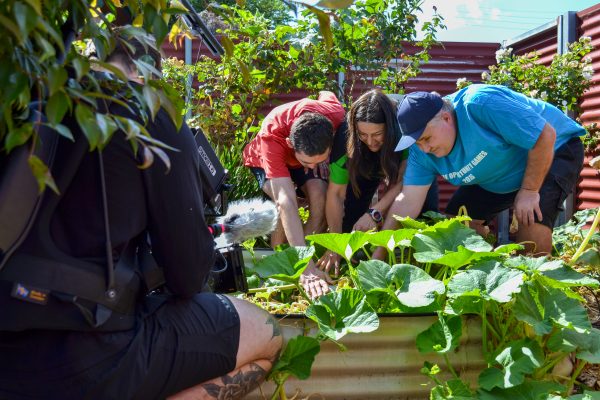
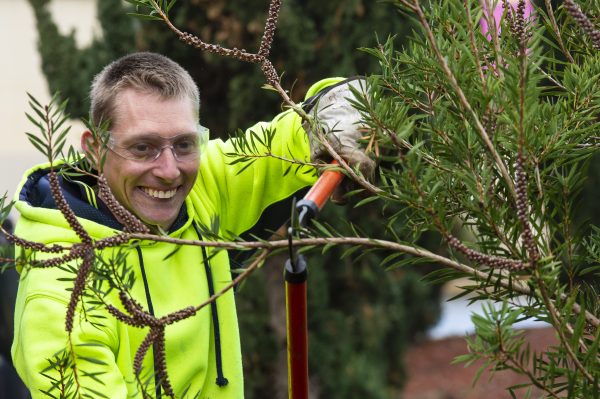
A real workplace gives people the chance to see what different jobs involve, experience workplace routines and learn what’s expected of them. Just as importantly, it can help someone discover what they don’t enjoy. Maybe working outdoors feels great, while repetitive indoor work doesn’t. Perhaps someone enjoys packing and sorting because they like an organised routine. Another person might thrive when they’re working alongside a team.
Those discoveries are useful. Orana’s Student Pathways Program, for example, gives eligible students the opportunity to undertake hands-on work experience at Orana worksites. Placements are tailored around the student’s abilities and interests, giving them an opportunity to develop practical skills and experience a workplace environment before leaving school.
There’s less pressure to have the future figured out when you’re able to learn by doing.
Supported employment can be meaningful employment in its own right
Supported employment is sometimes talked about purely as a stepping stone towards another kind of job. For some people, it can certainly form part of a longer employment journey; for others, supported employment is exactly where they want to be.
A supported workplace can provide the opportunity to earn an income, develop skills, build friendships, contribute to a team and enjoy the routine and sense of purpose that can come with having a job. The support is there to help the employee succeed at work — not to take away their independence.
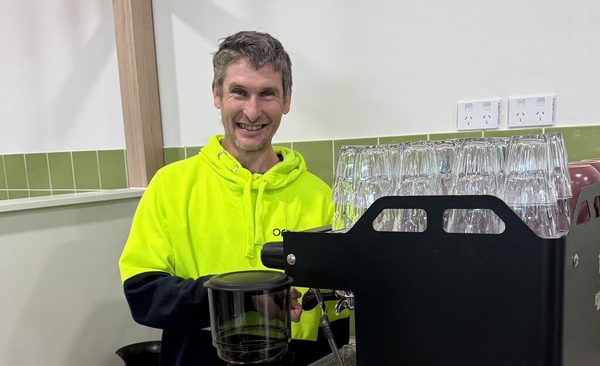
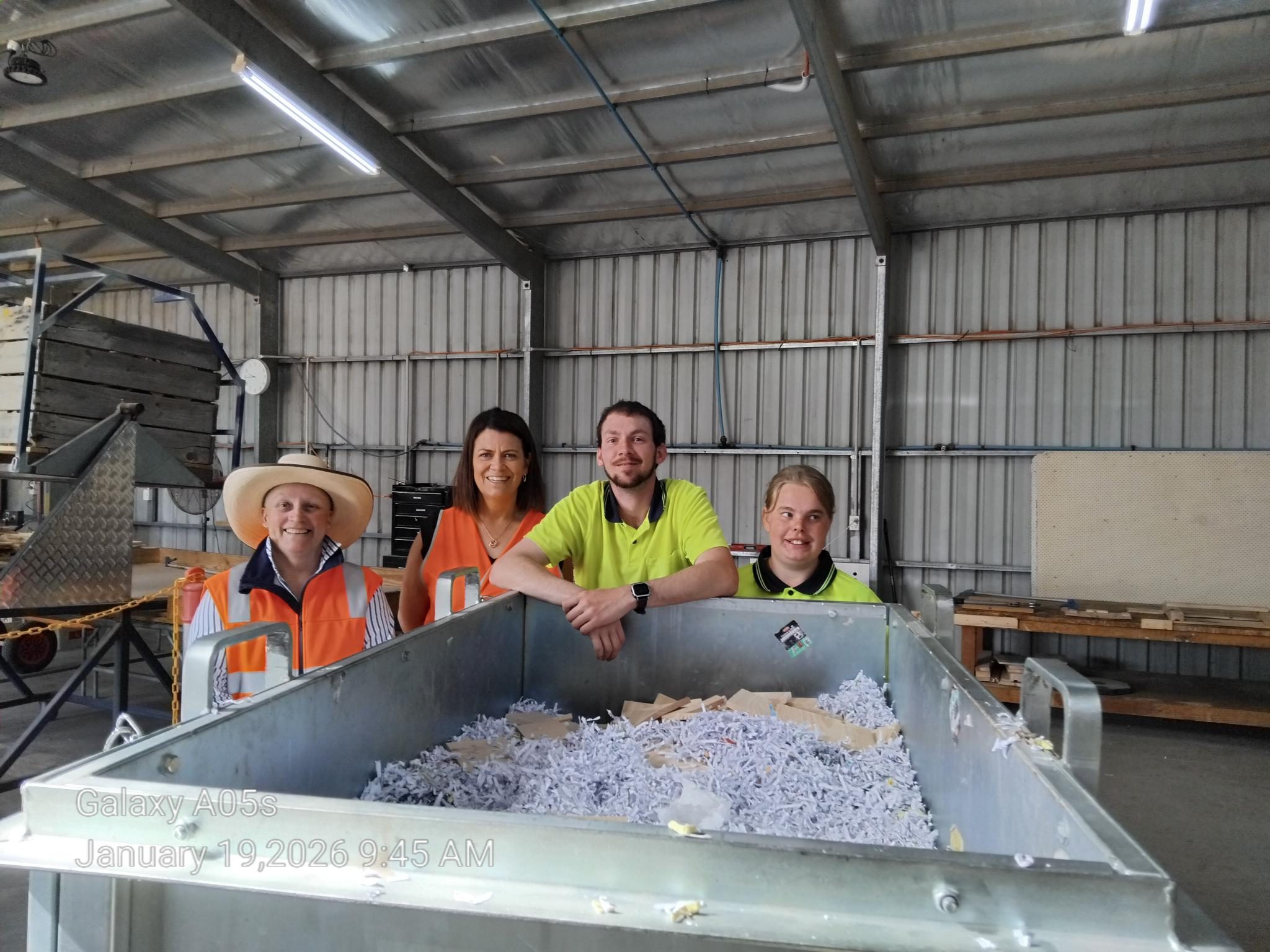
At Orana, supported employees work across a variety of areas, with training provided on the job. Someone doesn’t need to arrive knowing how to do everything. They can learn the role, build confidence and develop their abilities over time. That can be especially valuable for someone taking their first steps into employment after spending most of their time in school, community activities or day programs.
The right job starts with the right fit
Getting a job isn’t necessarily the same thing as finding the right job. One person may enjoy practical, hands-on tasks; another might prefer predictable routines. Some people thrive in busy team environments, while others do their best work somewhere quieter.
A useful employment pathway looks at the whole person. That means considering things like:
• Interests and strengths
• Preferred tasks
• Communication style
• Hours and routine
• Workplace environment
• Transport
• Level of support
• Personal goals
It also means listening to what the individual actually wants. Employment shouldn’t be pursued simply because somebody else thinks it’s the logical “next step”. The strongest pathway is one the person has had a genuine say in shaping.
Confidence often comes after you start
People don’t always feel confident before beginning something new… sometimes confidence is what develops because they began. The first workplace conversation might feel unfamiliar. The first shift might be tiring. A new task might take a few attempts before it clicks.
Then, little by little, things become more familiar. A person who once needed regular prompting may begin completing part of their routine independently. Someone who was nervous speaking with colleagues may start joining conversations. A task that initially seemed complicated can become something they’re proud to do well.
That progress might not happen in a straight line, and it doesn’t need to. Employment pathways work best when there’s room to learn at the individual’s pace.
Building your own pathway to employment
If you or someone you support is thinking about work, you don’t need to know exactly where the journey will end before taking the first step. It may begin with a conversation about interests. It could involve work experience, developing a few practical skills or exploring the types of employment supports available through an NDIS plan.
From there, the picture can become clearer. Orana has supported South Australians with disability to build skills, participate in meaningful work and develop greater independence for many years. Our employment services include supported employment opportunities, while our Student Pathways Program gives eligible students the chance to gain practical workplace experience before they leave school.
Whether employment is a new idea or a goal you’ve been working towards for some time, the pathway should be yours. If you’d like to learn more about employment opportunities with Orana or find out what a first step could look like, get in touch with our team.